3 Best Korean Foods to Try if You're Visiting Korea in May (2026)
May is one of the best times to visit Korea. The weather warms up, the cherry blossoms have just finished, parks are full of people, and Korean food shifts with the season. If you're planning a trip — or just landed and wondering what to eat — this is what locals actually order in May.
These aren't tourist-trap picks. These are three dishes that capture how Koreans actually eat as spring turns into early summer.
Why Eat Seasonally in Korea?
Korean food culture is deeply seasonal. There's an old Korean concept called 이열치열 (i-yeol-chi-yeol) — "fight heat with heat" — where Koreans eat hot, energizing food before summer to build stamina for the heat ahead. There's a parallel idea for cold: warm yourself with the right food before winter sets in.
May is the transition month. The weather is gorgeous, the days are getting longer, and Korean menus reflect that. Some restaurants pull out summer specials. Convenience stores stock new picnic items. Cafés roll out their bingsu menus (we'll save those for a June post).
Here are three dishes that locals reach for in May — for different reasons, in different settings.
1. Samgyetang (삼계탕) — Eat It Before the Heat Hits
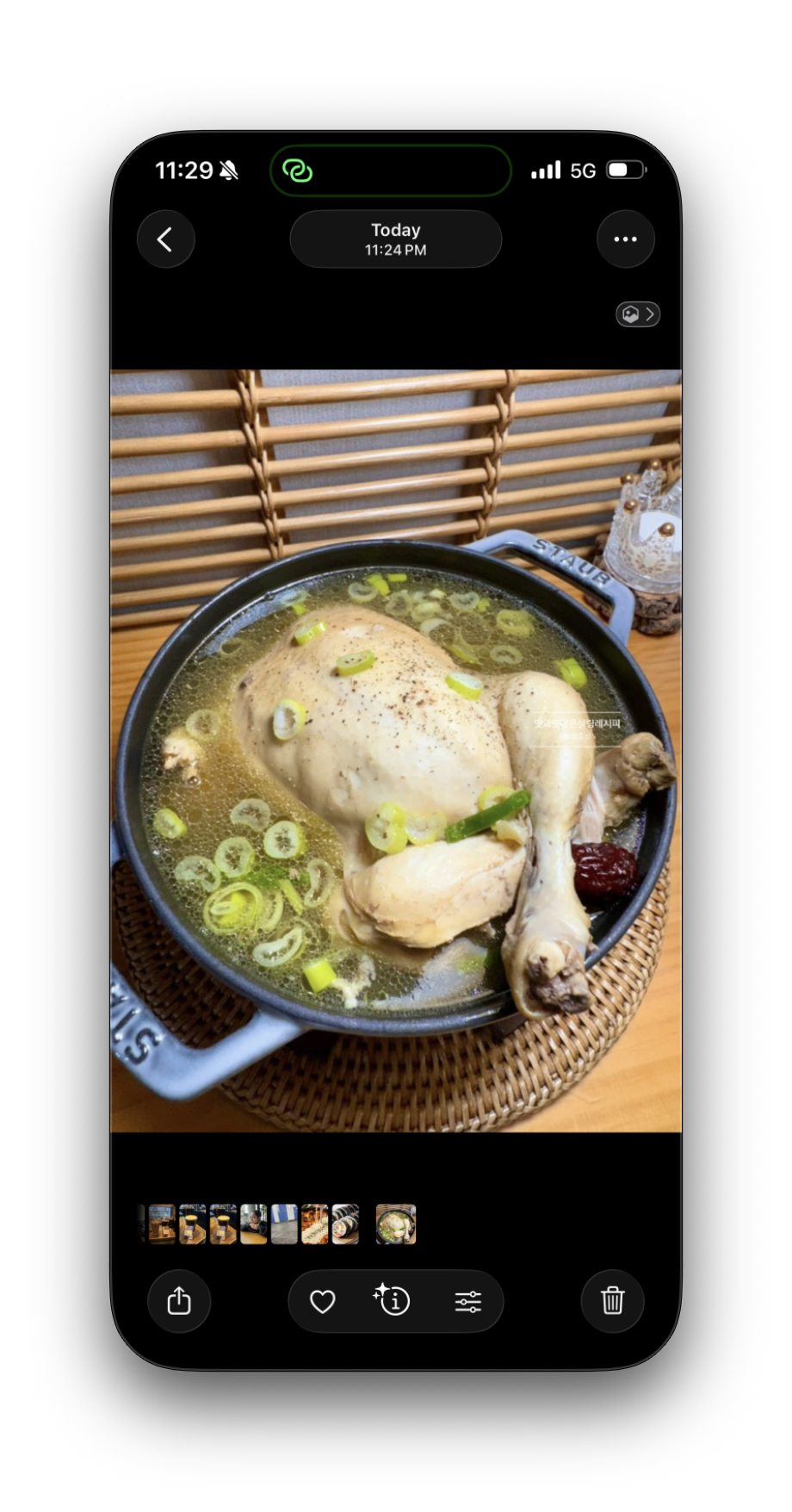
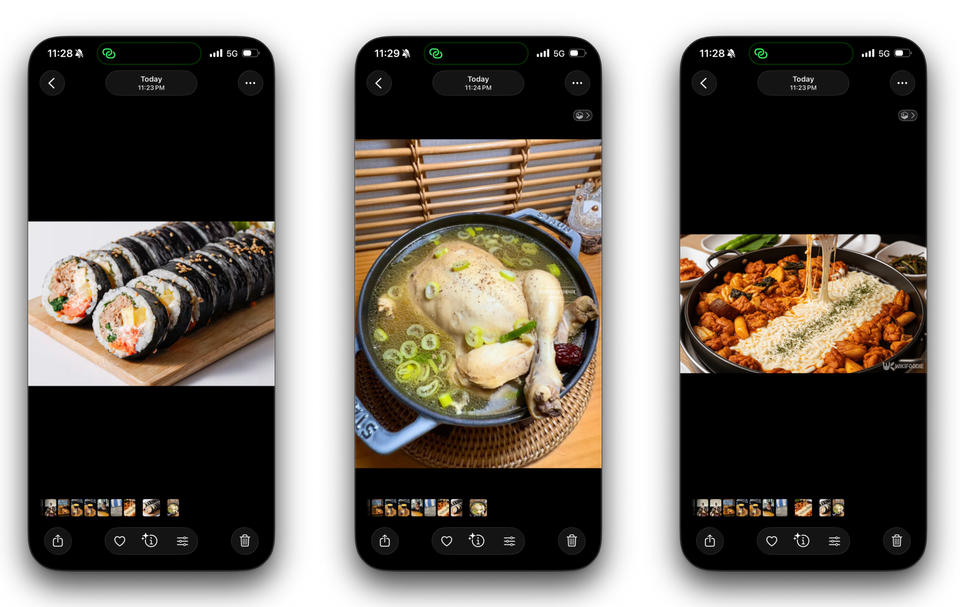
What it is: A whole young chicken stuffed with glutinous rice, ginseng, garlic, and jujubes, slow-simmered in a milky broth. Served bubbling in a stone bowl, usually with a side of salt and pepper for dipping.
Why eat it in May: Koreans traditionally eat samgyetang on the hottest days of summer (called 복날 / bok-nal) for stamina. But locals know the smart move is eating it before peak summer heat — in May, while you can still enjoy the rich, hot broth without sweating through your shirt. The ginseng and garlic are believed to build energy for the months ahead.
What it tastes like: Surprisingly mild and clean. Not spicy, not heavy. The chicken is fall-apart tender, the rice inside has soaked up all the broth, and the ginseng adds a subtle herbal sweetness. Add salt and pepper to taste — that's how Koreans season it at the table.
How to order: Just say "samgyetang juseyo" (삼계탕 주세요) and you'll get the full experience. Most samgyetang restaurants serve only this dish, so the menu is simple. You'll typically also get kkakdugi (radish kimchi) and a small cup of ginseng liquor on the side.
Heads up: It's served boiling hot in the stone bowl. Wait a few minutes before digging in.
2. Dak Galbi (닭갈비) — If You Can Handle Spicy
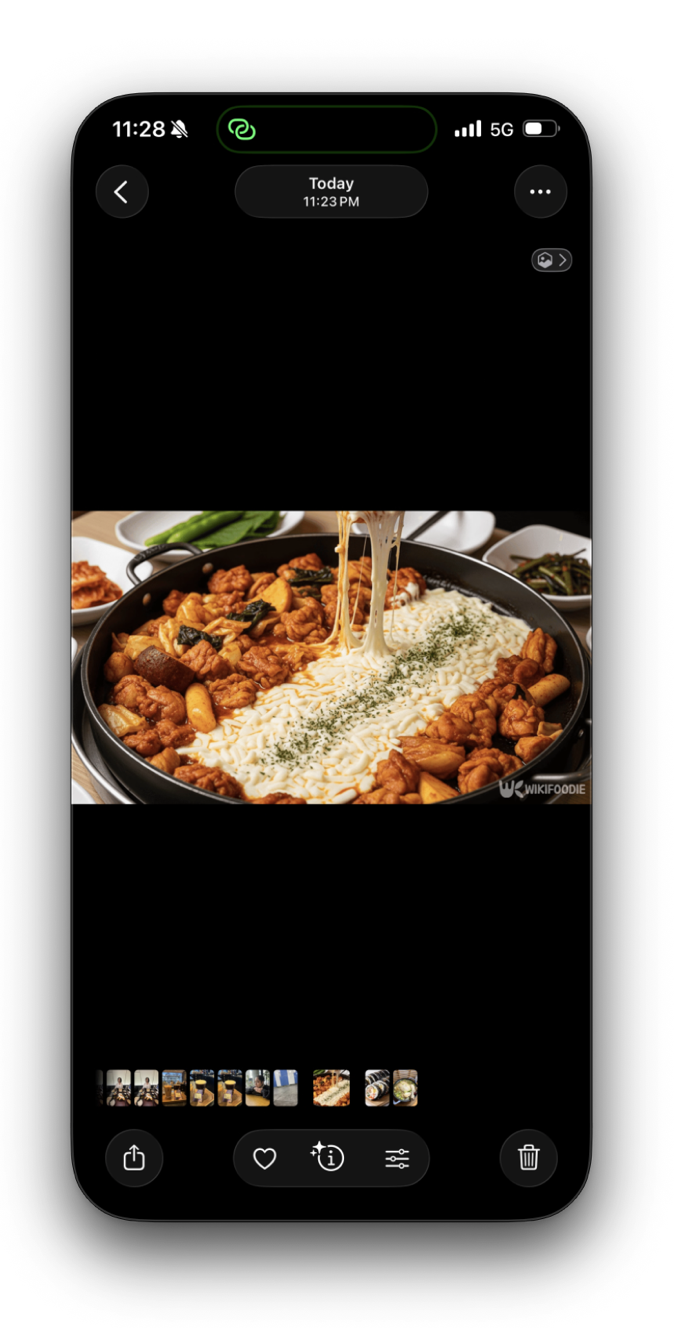
What it is: Marinated chicken stir-fried with vegetables (cabbage, sweet potato, perilla leaves) and rice cakes in a spicy gochujang-based sauce. Cooked tableside on a giant cast-iron pan that everyone shares.
Why eat it in May: Dak galbi is comfort food perfect for cooler spring evenings before summer humidity arrives. The communal pan, the sizzling sound, the way you fight over the crispy bits at the bottom — it's a vibe. May evenings are still cool enough to enjoy hot, spicy food without dying.
Where it's from: Chuncheon, a city about an hour east of Seoul, is famous for dak galbi. There's even a "Dak Galbi Street" there. But you don't need to leave Seoul — every neighborhood has solid dak galbi places.
The cheese trick: Most dak galbi spots offer to add melted cheese (치즈 추가 / cheese chuga) on the side of the pan. You dip pieces of chicken in the cheese as you eat. Yes, it's as good as it sounds.
The closing move: When you've eaten about 80% of the dak galbi, the staff will ask if you want bokkeumbap (볶음밥) — fried rice made with the leftover sauce. Always say yes. This is the best part of the meal. They'll fry rice, seaweed, sesame oil, and egg right in the pan with all the sauce-soaked bits.
Heads up: It's spicy. Not buldak-level, but definitely warming. Order milder versions if you're sensitive.
3. Kimbap (김밥) — For That Perfect Korean May Day
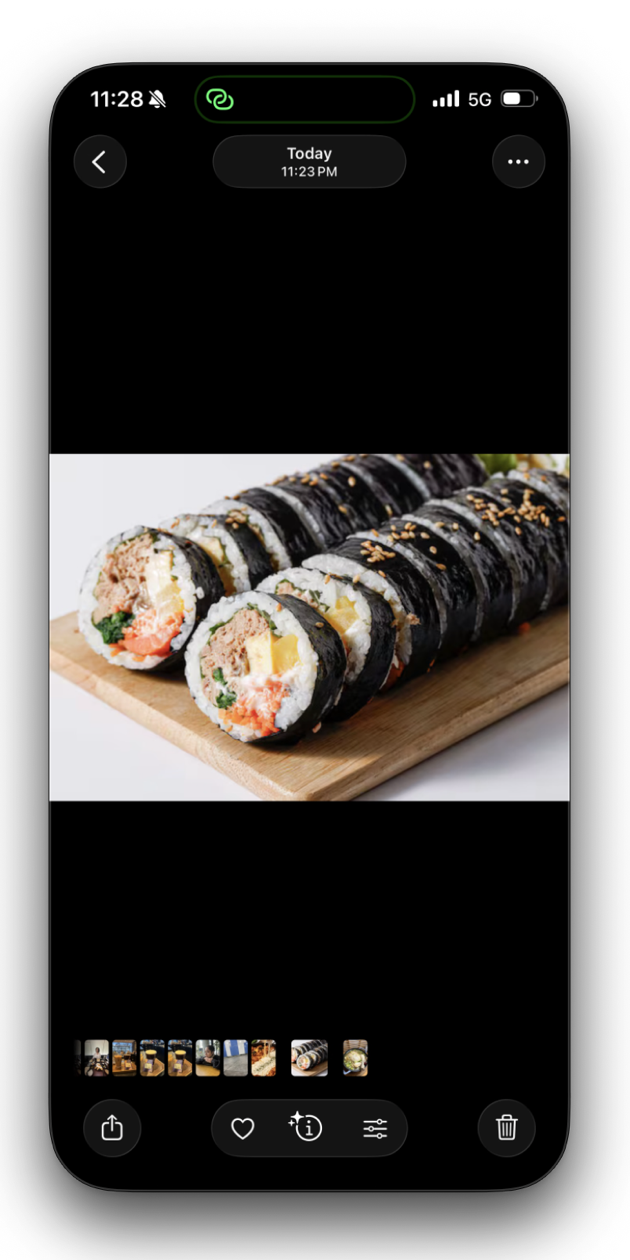
What it is: Seaweed-wrapped rice rolls filled with vegetables, egg, ham, fish cake, and pickled radish. Often called "Korean sushi" by foreigners, but it's its own thing — kimbap rice is seasoned with sesame oil and salt, not vinegar like sushi rice.
Why eat it in May: This is less about the food and more about the experience. May in Korea is gorgeous. The trees are fully green, the parks are full, and the weather is in that perfect zone before summer humidity hits. Koreans pack up kimbap, drinks, and snacks and head to the parks for picnics — Han River parks in Seoul are legendary for this.
Kimbap is the perfect picnic food: portable, no utensils needed, doesn't get gross at room temperature, and you can grab it ready-made from any kimbap shop or convenience store.
Where to grab it:
- Kimbap chains like Kimbap Cheonguk (김밥천국) are everywhere — fast, cheap, fresh
- Convenience stores (GS25, CU, 7-Eleven) all sell pre-made kimbap that's surprisingly good
- Higher-end kimbap shops offer premium versions with bulgogi, tuna, cream cheese, and more
Best parks to picnic with kimbap:
- Hangang Parks (any of them — Yeouido, Banpo, and Ttukseom are most popular)
- Seoul Forest (서울숲)
- Olympic Park (올림픽공원)
- Bukseoul Dream Forest (북서울꿈의숲)
Pro tip: Pair your kimbap with shin ramyun cup noodles + a chimaek (chicken + beer) order delivered to the park later. This is the ultimate Korean spring day.
How to Find These Places
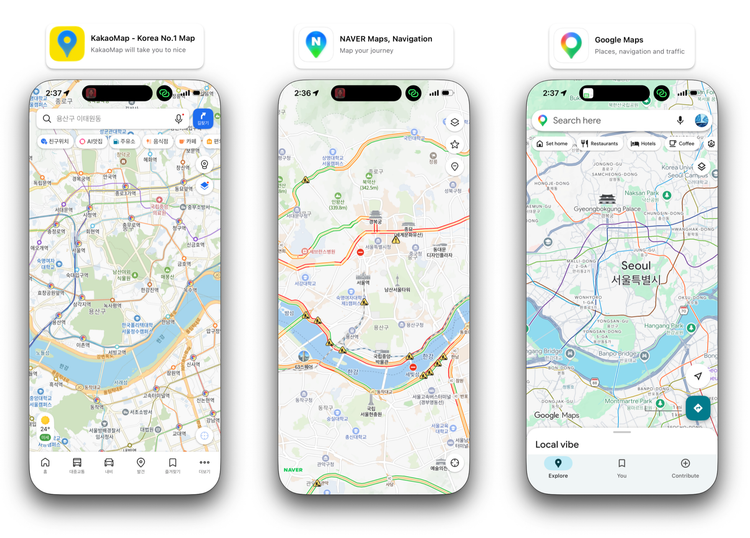
You won't find the best samgyetang or dak galbi spots on Google Maps — Korea's mapping system runs on Naver Map and Kakao Map. We covered exactly why this matters in our Naver Map vs Google Maps guide — short version: download Naver Map before you fly, and you'll find better restaurants with verified reviews from people who actually ate there.
Search Korean dish names directly in Naver Map (you can type "samgyetang" or "삼계탕") and filter by reviews to find the highly-rated spots near you.
Quick FAQ
Is May a good time to visit Korea?
Yes — arguably one of the two best months (along with October). Mild weather, less rain than June, and Korean spring lifestyle is in full swing.
What if I can't handle spicy food?
Skip dak galbi or order it mild. Samgyetang has zero spice. Kimbap can be spicy or not depending on filling — check what you order.
Are these foods expensive?
All three are very affordable. A solid samgyetang runs around 15,000–20,000 KRW. Dak galbi is around 12,000–18,000 KRW per person. Kimbap is the cheapest — anywhere from 3,000 to 8,000 KRW per roll.
Can I find these foods outside of Seoul?
Yes — all three are available across Korea. Dak galbi is especially associated with Chuncheon, but every Korean city has solid versions.
Are vegetarian/halal versions available?
Vegetarian: kimbap can easily be ordered without meat (just say "yachae kimbap juseyo" 야채김밥 주세요 — vegetable kimbap). Samgyetang and dak galbi are inherently meat-based. Halal options are limited in mainstream Korean food — most halal restaurants are concentrated in the Itaewon area.
The Bottom Line
May in Korea has a flavor — literally. Samgyetang for stamina before the heat. Dak galbi for comfort and community. Kimbap for the kind of beautiful, slow afternoon in the park that makes you fall in love with the country.
You don't have to eat all three. But pick one, find the right spot, and you'll understand something about how Koreans live that no tourist guide will tell you.
Have a Korean dish you think we should cover next month? Email us at hello@konnectinkorea.com — we love hearing what readers are curious about.
Want guides like this delivered to your inbox monthly? Subscribe to the Konnect In Korea newsletter for seasonal Korea recommendations, insider tips, and travel content for foreigners.