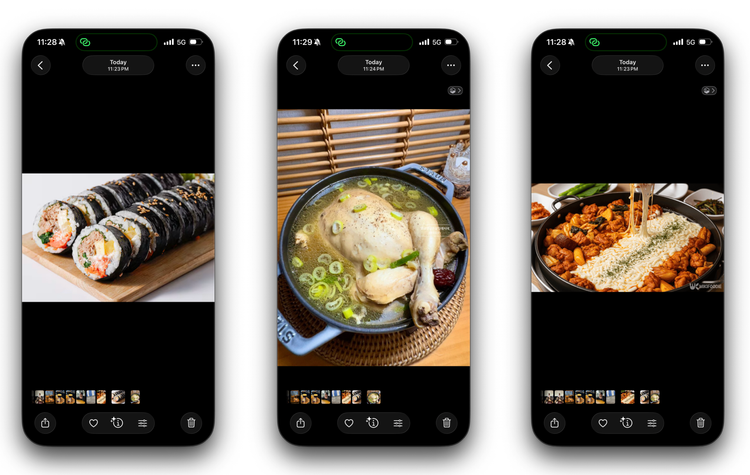
Tteokbokki Beyond the Basics: A Spice Lover's Guide to Korea's Most Iconic Street Food (2026)
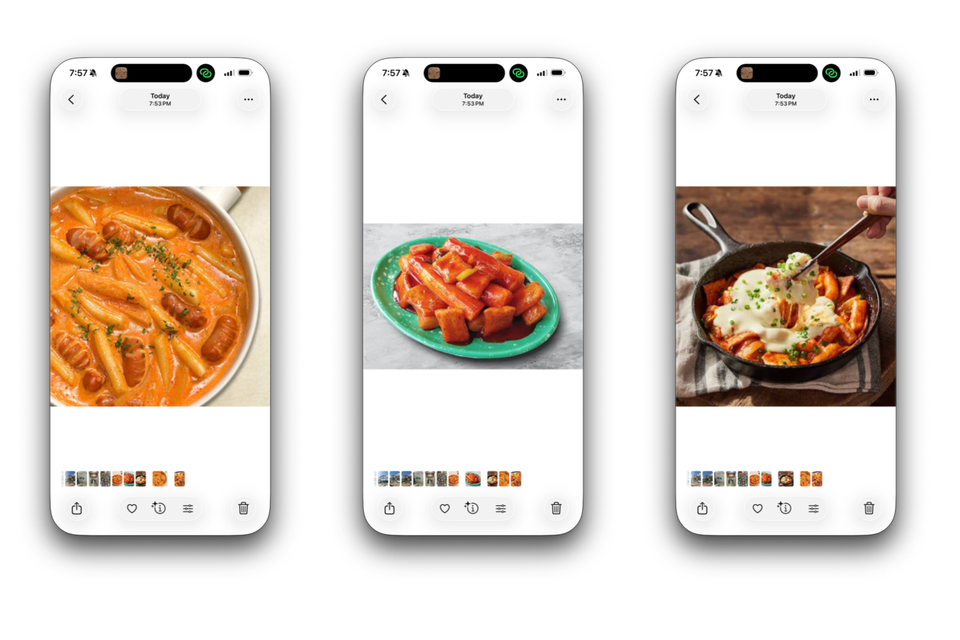
You've probably tried tteokbokki. You probably haven't tried real tteokbokki. Here's the guide to all the variations Koreans actually eat — including the trending flavors most tourists never hear about.
If you've been to Korea, you've probably eaten 떡볶이 (tteokbokki) at least once. Spicy red rice cakes, maybe at a street food cart in Myeongdong, maybe at a tourist-friendly restaurant. You ordered it, you tried it, you moved on.
Here's the thing: that wasn't the full story.
Tteokbokki in Korea isn't one dish. It's a whole category — and Koreans argue about it the way Italians argue about pasta. The type of rice cake matters. The sauce matters. The brand matters. And in the last few years, an entire wave of new flavors — rose, mara, cheese, jjajang — has completely changed what tteokbokki even means.
Whether you're visiting Korea for the first time, returning, or just love spicy food and want the real briefing, this is the guide to ordering tteokbokki like you actually know what you're doing.
First, the Basics: What Is Tteokbokki?
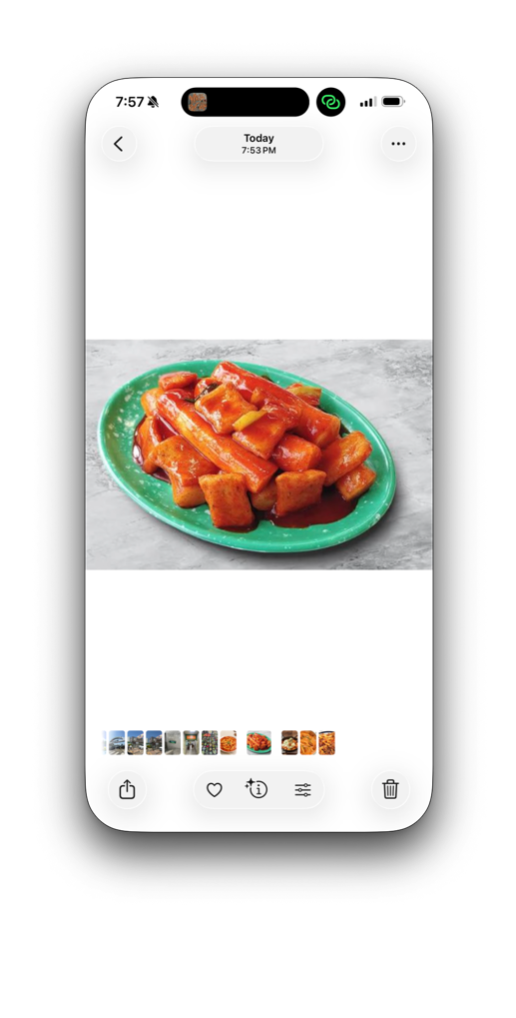
Tteokbokki (떡볶이) literally means "stir-fried rice cakes." The classic version is cylindrical white rice cakes simmered in a sauce of gochujang (red pepper paste), gochugaru (red pepper flakes), sugar, and soy sauce, usually with fish cakes (어묵), boiled eggs, and green onions thrown in.
It started as a royal court dish — a savory soy-sauce version called 궁중 떡볶이. The spicy red version we know today only emerged in the 1950s, after the Korean War, in Seoul's Sindang-dong neighborhood. A woman named Ma Bok-rim (마복림) is credited with creating it almost by accident — she dropped some rice cakes into a bowl of jjajangmyeon and gochujang, and the rest is history.
Today, tteokbokki is everywhere. School snack carts, late-night drinking spots, fine-dining tasting menus, convenience stores, and now in dozens of variations Koreans eat constantly. Let's get into it.
The Most Important Thing Tourists Don't Know: 밀떡 vs 쌀떡
Before we talk flavors, we need to talk about the rice cake itself. Most tourists eat tteokbokki without realizing there are two completely different types of 떡 (tteok), and Koreans have strong opinions about which is better.
쌀떡 (Ssal-tteok) — Rice-Based Rice Cakes
Made from 100% rice flour. These are firmer, chewier, and hold their shape longer in sauce.
- Texture: Dense, springy, satisfying chew
- Sauce absorption: Less — sauce mostly coats the outside
- Best for: People who like a clear bite and chew, slower eating
- You'll find this at: Most traditional tteokbokki shops, higher-end places, and Sindang-dong's classic stalls
밀떡 (Mil-tteok) — Wheat-Based Rice Cakes
Made from wheat flour. Softer, slightly stickier, and absorbs sauce like a sponge.
- Texture: Soft, almost noodle-like, melts faster in sauce
- Sauce absorption: Maximum — the rice cake itself becomes flavorful
- Best for: Sauce lovers, people who like a softer chew, fans of brothy tteokbokki
- You'll find this at: Most school-snack-style places, 신전떡볶이, and many delivery brands
So Which One Is Better?
This is the great Korean tteokbokki debate. There's no winner — it's purely preference.
A general rule: if the sauce is the star, get 밀떡. If you want to taste the rice cake itself, get 쌀떡. Some restaurants like 배떡 even let you choose, and a few offer a third option — a thin, noodle-like wheat rice cake (누들 밀떡) that's basically tteokbokki crossed with udon.
Next time you order, ask. The waiter will be impressed you know to ask, and you'll learn something about your own taste.
The Classic Variations Every Tteokbokki Lover Should Know
Now the fun part — the flavors. These are the styles you'll see on Korean menus, ranked roughly from "you've definitely had this" to "you've probably never tried this."
1. 오리지널 떡볶이 (Original / Classic Red)
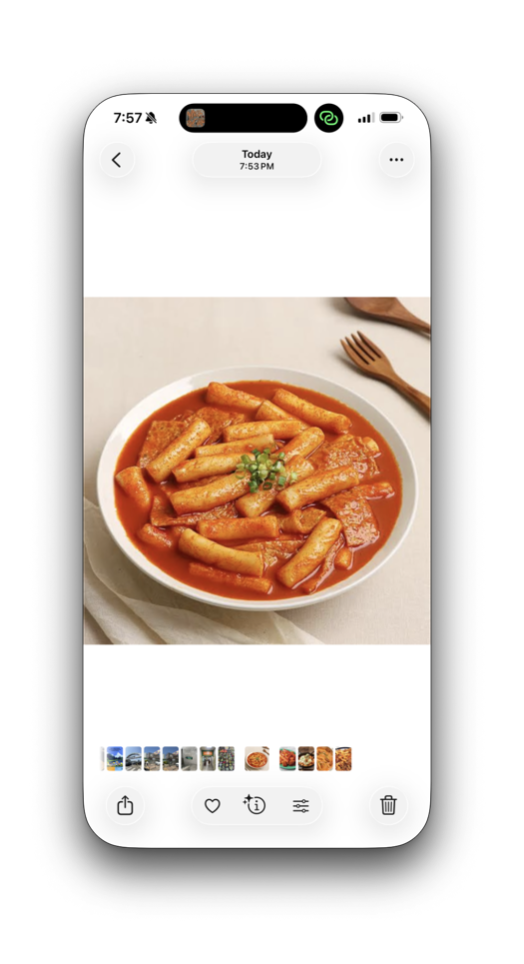
The OG. Gochujang-based red sauce, fish cakes, boiled eggs, scallions. Slightly sweet, properly spicy, addictively chewy.
This is what tteokbokki tastes like in its purest form. If you've never tried tteokbokki before, start here — but don't stop here.
Spice level: 🌶️🌶️🌶️ (moderate to spicy)
2. 국물 떡볶이 (Gukmul / Brothy Tteokbokki)
The "soupy" version. More sauce, more broth, eaten with a spoon. This is the school-snack-stand classic — tteokbokki you slurp up with the rice cakes.
If you've ever had tteokbokki where the sauce was thin and almost soupy, that was 국물 떡볶이. 신전떡볶이 (Shinjeon Tteokbokki), one of Korea's biggest chains, is the most famous example.
Spice level: 🌶️🌶️🌶️ (depends on the spot)
3. 즉석 떡볶이 (Jeukseok / Tableside Tteokbokki)
This is the "experience" version. Instead of being served pre-cooked, you get a giant pan at your table, and a server brings out raw rice cakes, fish cakes, ramen noodles, dumplings, cheese, and broth. Everything cooks in front of you while you eat.
The classic Sindang-dong style. Best eaten with a group, slowly, while the sauce thickens. Most tourists miss this entirely because it doesn't appear on convenient street stalls — you have to go to a 즉석 떡볶이 restaurant.
Spice level: 🌶️🌶️🌶️ (you can adjust at the table)
4. 짜장 떡볶이 (Jjajang Tteokbokki)
Made with black bean paste instead of red pepper paste. Mild, savory, sweet, and not spicy at all. A safe bet for kids, spice-averse travelers, or anyone who wants a break from the heat.
You'll often see it as half-and-half (반반) — half red, half black — at school snack spots. Underrated and worth trying.
Spice level: 🌶️ (mild)
The Modern Wave: Trending Tteokbokki Flavors
This is where things get interesting. The last 5–6 years have completely transformed Korean tteokbokki menus, and most foreign visitors have no idea. These are the flavors Koreans are actually ordering right now.
5. 로제 떡볶이 (Rose Tteokbokki)
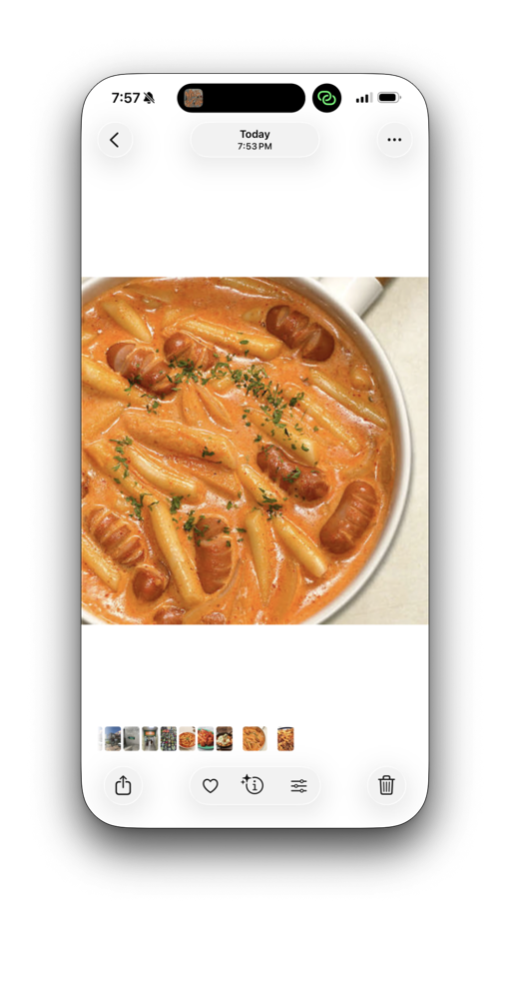
The phenomenon. Rose tteokbokki took over Korea around 2020 and never left. Created by the brand 배떡 (Baedduk), it's a creamy-spicy hybrid: gochujang base mixed with cream and milk to create a pink-orange sauce that's rich, slightly sweet, and noticeably less spicy than original tteokbokki.
If you struggled with the spice level of regular tteokbokki, rose is a revelation. It tames the heat but keeps the flavor.
What you'll find in it: Sausages (essential), green onions, sometimes cheese, often with chewy "분모자" (Chinese clear noodles) added for extra texture.
Where to try it: 엽기떡볶이 (Yupdduk), 배떡 (Baedduk), 신전떡볶이 — basically every major chain has a version now. Each tastes different. Yupdduk is the most popular for delivery; Baedduk gets credit for the original.
Spice level: 🌶️🌶️ (mild to medium — the cream cuts the heat)
6. 마라 떡볶이 (Mala Tteokbokki)
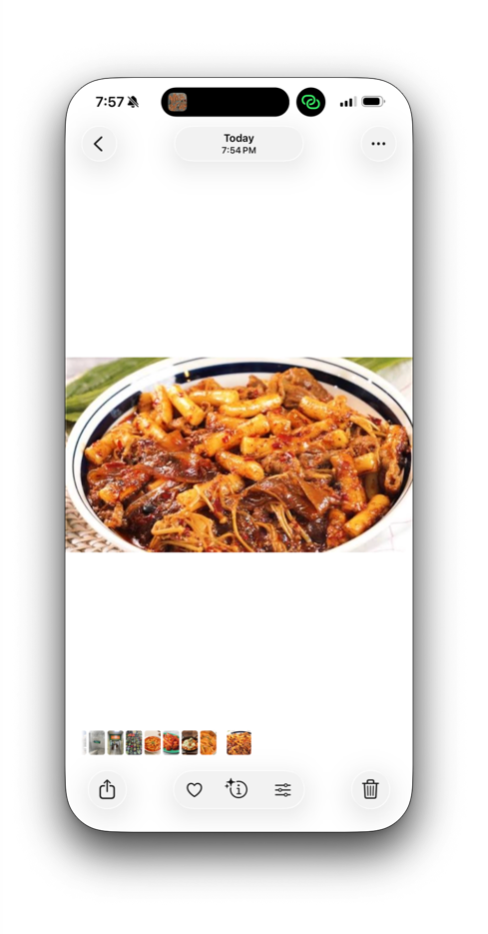
The Sichuan-style cousin. Riding the mala (마라) wave that swept Korea around 2019–2020 — the numbing-spicy Chinese flavor profile — this version uses mala oil and Sichuan peppercorns instead of (or alongside) gochujang.
The result is a totally different kind of heat: less burning, more tingling and numbing. If you've had mala xiang guo (마라샹궈) at a Korean-Chinese restaurant, you know the vibe.
What it tastes like: Earthy, oily, deeply spicy with that signature numbing buzz on your lips. Often served with thick sauce and lots of cabbage and meat.
Spice level: 🌶️🌶️🌶️🌶️ (spicy + numbing — for spice lovers)
7. 마라로제 떡볶이 (Mala-Rose Tteokbokki)
The newest Frankenstein. Mala + rose. Spicy-numbing + creamy. Yupdduk launched a major version of this in 2025 and it's been one of the biggest hits since.
Sounds wrong, tastes incredible. The cream tames the mala's burn while the mala adds depth and tingle to the rose's sweetness. If you love both, this is mandatory.
Spice level: 🌶️🌶️🌶️ (mid-high — the rose softens the mala)
8. 치즈 떡볶이 (Cheese Tteokbokki)
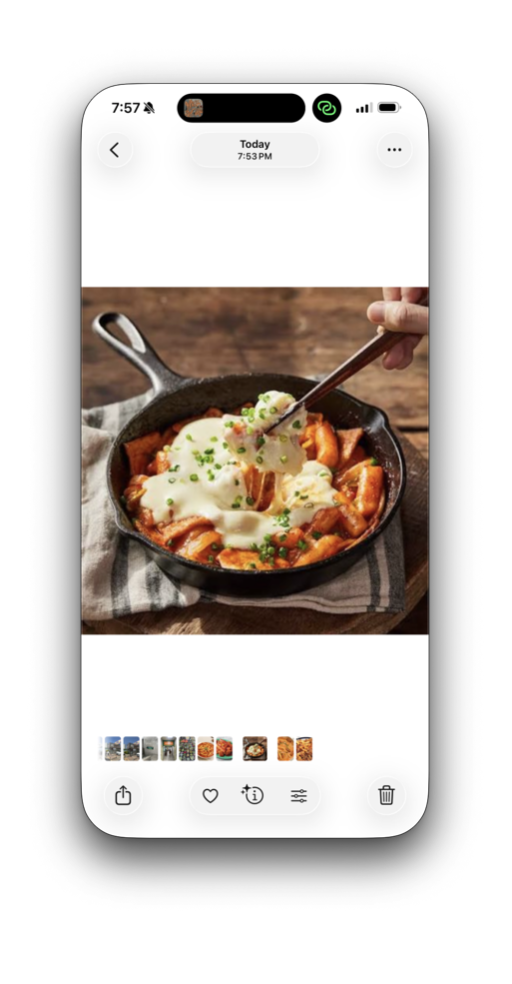
Not really a "flavor" so much as an upgrade. Most modern tteokbokki spots offer cheese on top — usually melted mozzarella covering the rice cakes like a blanket. You dip the tteokbokki into the cheese as you eat.
Yes, it's as good as it sounds. Yes, it's also why your Korean friend keeps ordering it.
Pairs especially well with: Rose tteokbokki, mala-rose tteokbokki, original red.
Tteokbokki Spice Levels: A Real Guide
Korean spice tolerance is no joke, but tteokbokki menus often let you choose your heat level. Here's what to expect:
- 순한맛 (Mild): Edible by anyone, including kids. Barely spicy.
- 보통맛 (Medium / Original): Standard Korean spicy. Builds slowly. Most foreigners can handle this.
- 매운맛 (Spicy): Real heat. Sweat-inducing.
- 아주 매운맛 (Very spicy): Yupdduk's "오리지널" level. Endurance test.
- 착한맛 / 덜 매운맛: "Kind" spice — Yupdduk's mildest level, still spicier than most foreign "spicy."
If you're not sure, start one level milder than you think. Korean "medium" hits harder than American "medium." You can always order spicier next time.
Where to Try the Best Tteokbokki in Seoul
A quick rundown of the most well-known spots and what they're famous for:
For the classic experience:
- Mabongnim Halmae Tteokbokki (마복림 할매 떡볶이) — Sindang-dong. The original. The grandmother of all spicy tteokbokki.
- Gangnam Tteokbokki Town (강남 떡볶이 거리) — Multiple classic options near Gangnam Station.
For the rose tteokbokki obsession:
- Yupdduk (엽기떡볶이) — Best delivery rose. Locations everywhere.
- Baedduk (배떡) — The original rose creator. Worth the visit.
- Shinjeon Tteokbokki (신전떡볶이) — Many Koreans' #1 rose ranking. Brothy style.
For the experience:
- Sindang-dong Tteokbokki Town (신당동 떡볶이 골목) — A whole street of 즉석 떡볶이 restaurants. Iconic.
For convenience store fans:
- Yes, GS25 and CU sell decent tteokbokki cups. Not the best, but a 3 AM lifesaver.
How to Order Tteokbokki Like You Know What You're Doing
A few quick phrases that will instantly upgrade your tteokbokki game:
- "쌀떡으로 주세요" (ssal-tteok-euro juseyo) → "Rice cake version, please"
- "밀떡으로 주세요" (mil-tteok-euro juseyo) → "Wheat rice cake version, please"
- "치즈 추가해 주세요" (cheese chuga-hae juseyo) → "Add cheese, please"
- "덜 맵게 해 주세요" (deol maepge hae juseyo) → "Less spicy, please"
- "분모자 추가" (bunmoja chuga) → "Add chewy Chinese noodles"
And the magic add-on: when you finish your tteokbokki, ask for 볶음밥 (bokkeumbap) — fried rice. They'll fry rice in the leftover sauce-coated pan, and it might be better than the tteokbokki itself.
Frequently Asked Questions
Is all tteokbokki spicy? No. Jjajang tteokbokki, gungjung (royal court) tteokbokki, and rose tteokbokki are all mild to non-spicy. You have options.
Is tteokbokki vegetarian? Often, but not always. The base sauce is usually vegetarian, but most tteokbokki includes fish cakes (어묵), and broths sometimes use anchovy or beef. Ask before ordering. Vegan tteokbokki shops exist, especially in Seoul.
What's the best tteokbokki for someone who can't handle spice? Try rose tteokbokki first, or jjajang tteokbokki (black bean) for zero heat.
Can I make tteokbokki at home? Yes — packets are sold at any Korean convenience store, H-Mart, or international grocery. Yopokki and Pulmuone are reliable brands.
What's the difference between tteokbokki and rabokki? 라볶이 (rabokki) is tteokbokki with ramen noodles added. Same base, plus instant noodles. Massively popular and worth trying.
The Bottom Line
If you've only had one type of tteokbokki, you've barely scratched the surface. Try a rose tteokbokki next. Then a mala. Then go to Sindang-dong and order 즉석 떡볶이 with friends and let it cook in front of you.
Korea has been refining this dish for 70 years, and the variations keep coming. The next time someone tells you "tteokbokki is just spicy rice cakes," you'll know better.
What's your favorite tteokbokki style — original, rose, mala, or something we missed? Email us at hello@konnectinkorea.com — we love a good food debate.
For more honest Korean food guides, browse our Where to Eat section or subscribe to the Konnect In Korea newsletter for monthly Korea recommendations.